Explore the class options below and embark on an adventure of discovery! Whether you’re looking to dive into environmental science, engage in hands-on activities, or connect with nature in new ways, we have something for everyone. Check out our classes and find the perfect fit for your educational journey!
WaterWorks field trips for school groups will fall into two main categories: Guided Explorations and Advanced Science Labs.
Guided Explorations
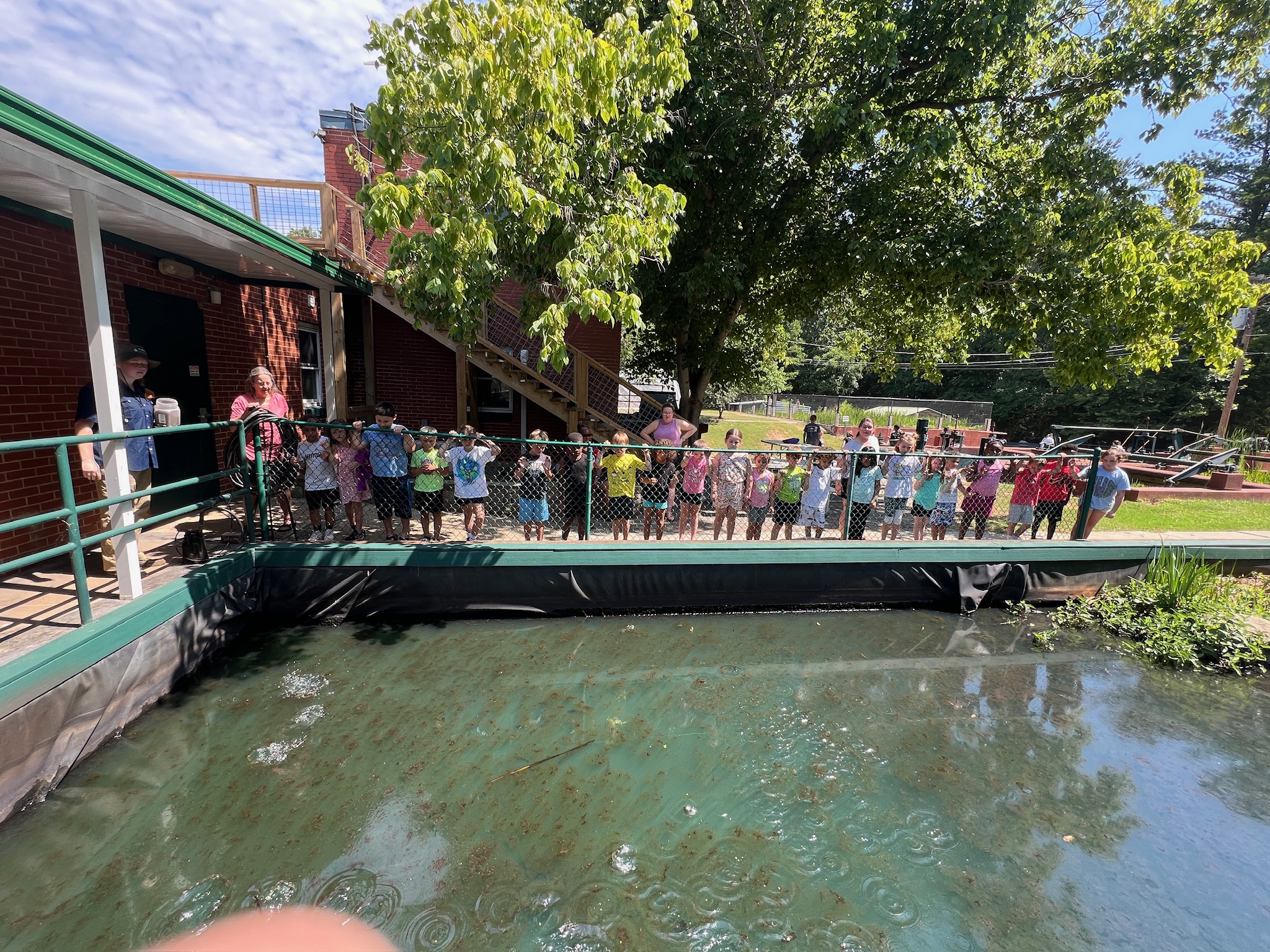
Woodland Explorers
A guided hike through the woods where students observe wildlife signs, visit a beaver dam, explore fungi, test basic water quality, and examine animal pelts. This experience focuses on curiosity, observation, and discovering how forest ecosystems work.
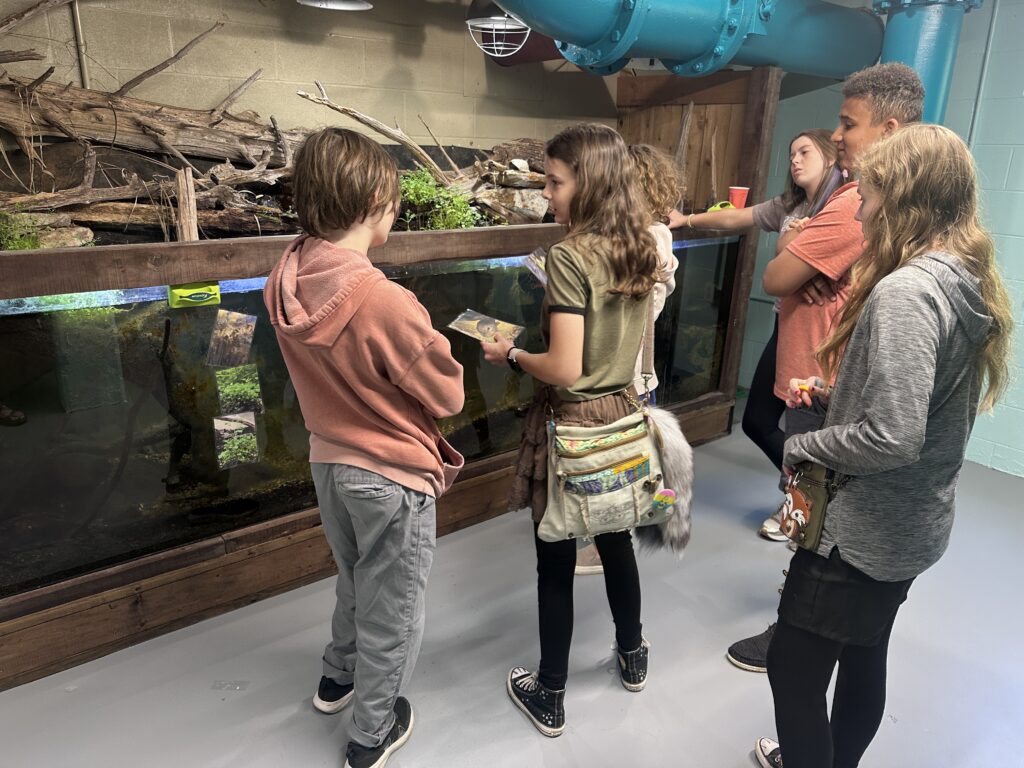
Ecology Explorers (101, 201, 301)
A guided ecology experience where students investigate food webs, habitats, adaptations, and the connections between living and non-living systems. Each version is scaled for the age group, adding complexity and discussion as students grow as scientists.
Advanced Science Labs
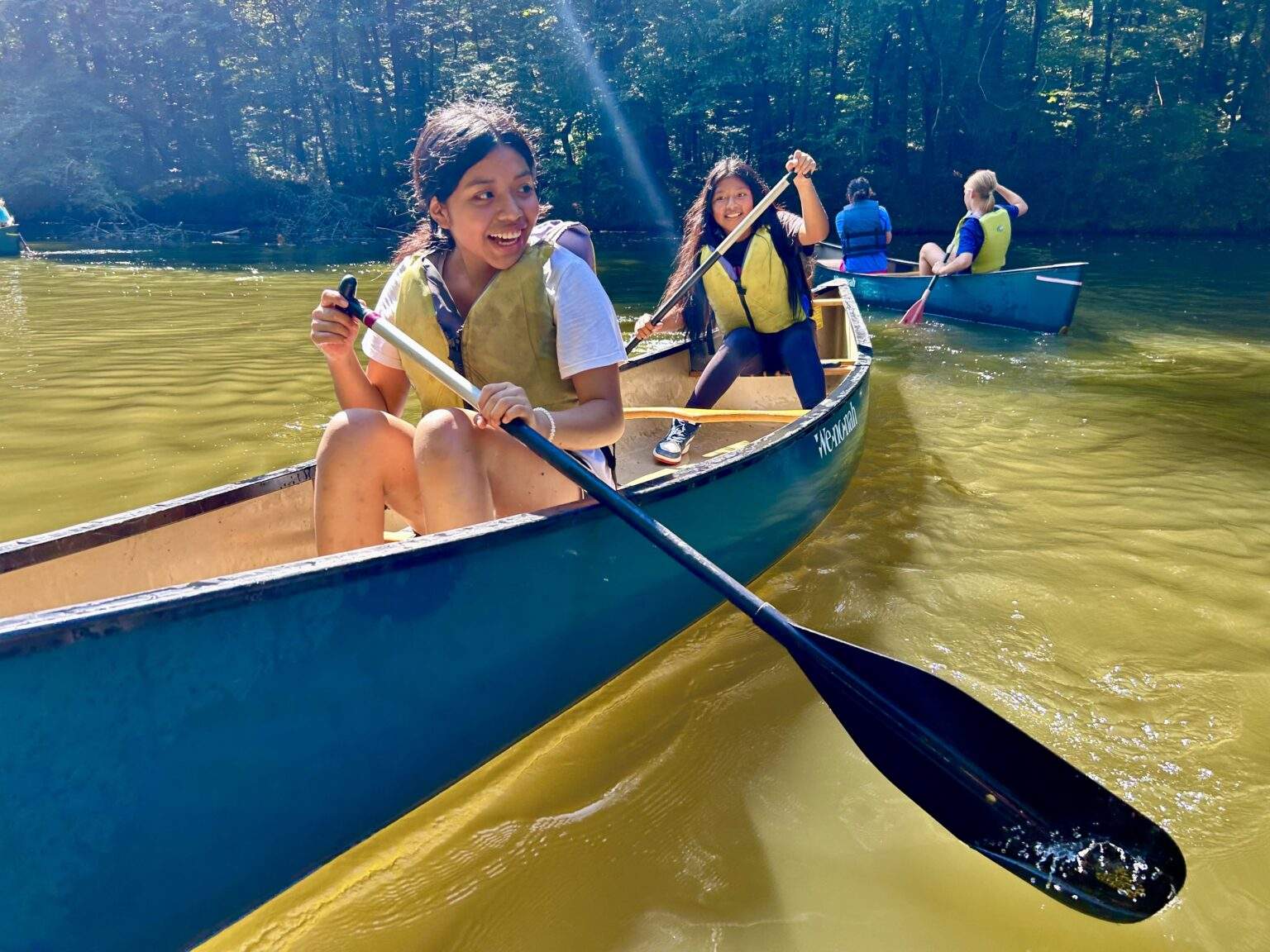
Paddle Through the Past: Tennessee River Systems Lab
Students canoe Flint Creek to experience how local waterways connect to the Tennessee River, then explore how the river’s history, ecology, and human influence have shaped our region.
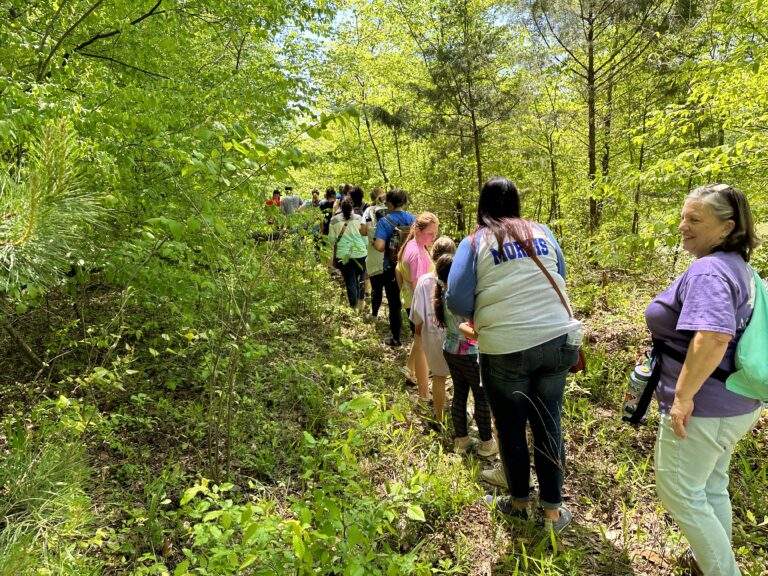
Exploring Alabama Biodiversity: Hiking Through Ecosystems
Students build on our woodland hike as they explore plants, wildlife signs, and habitats, then connect their observations to Alabama’s rich biodiversity and how ecosystems fit together.
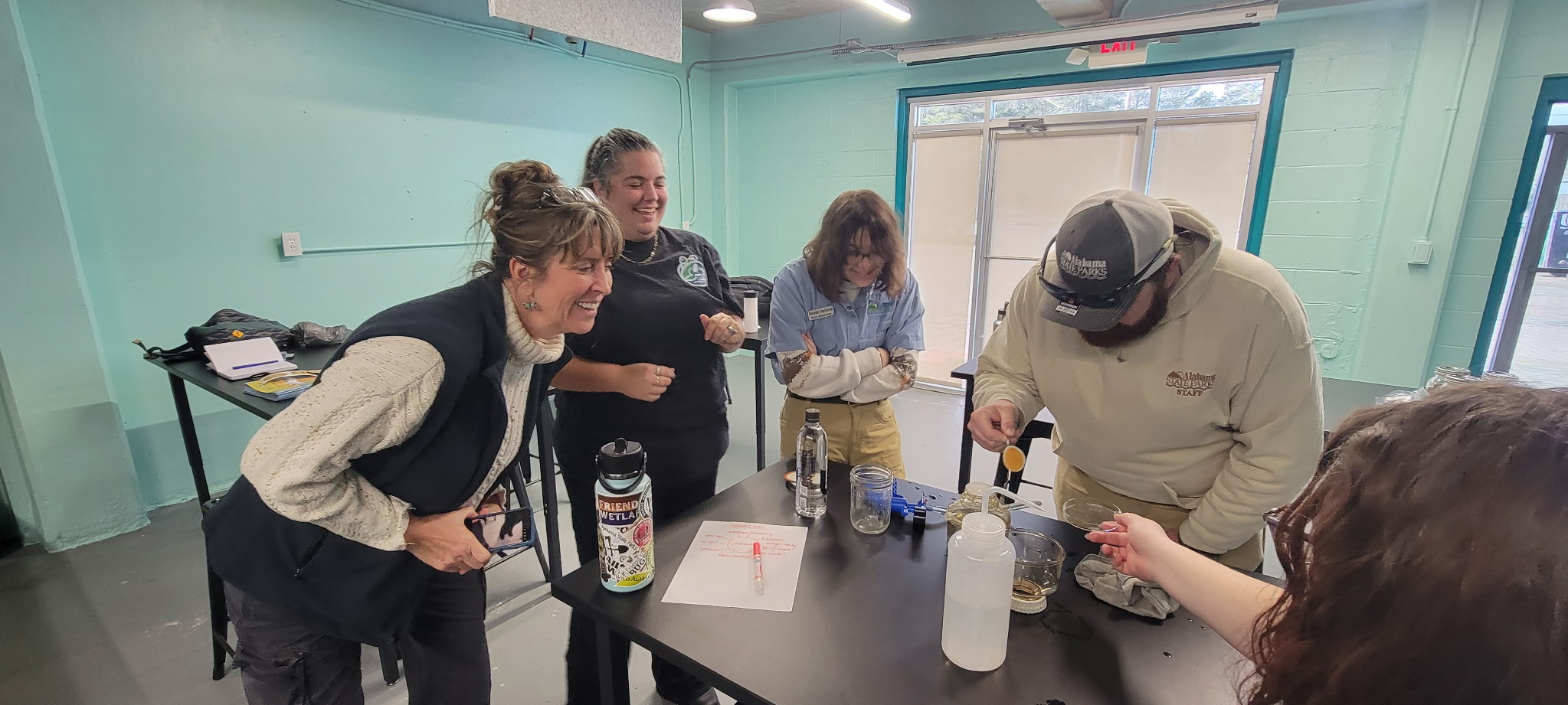
Wetland Lab:
Dissection and Ecology
Students explore wetland ecosystems outdoors, then move into the lab for a hands-on dissection that connects their field observations to anatomy, adaptation, and ecosystem roles.
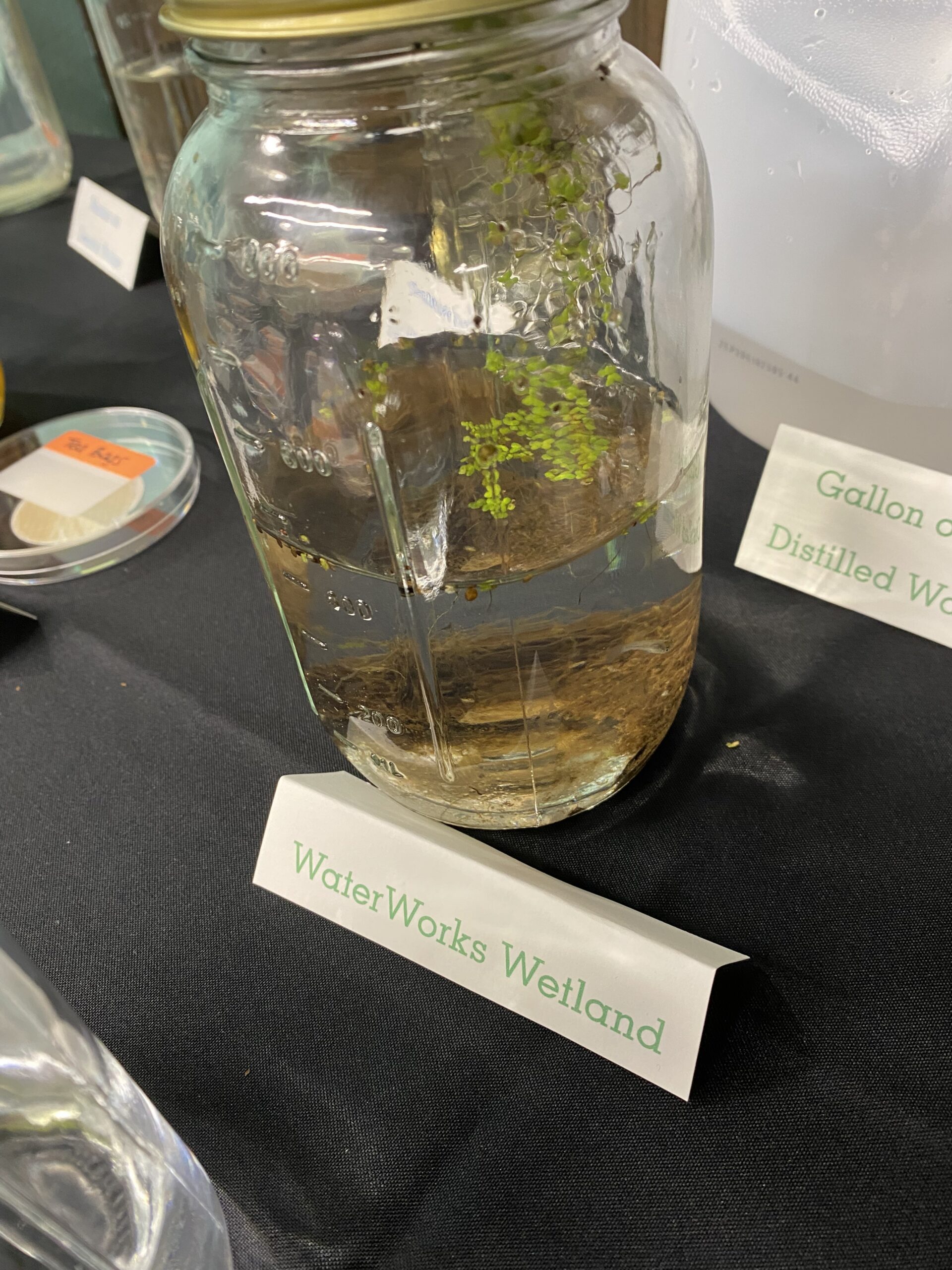
Wetland Lab: Macro-invertebrates & Water Quality
Students wade into the wetland to collect aquatic macroinvertebrates, then head to the lab to run water quality tests and connect their findings to wetland ecosystem health.

Forest Research Lab:
Ecology in Practice
Students recreate a real forest research project using scientific tools to measure and map trees, then explore forest ecology through tree identification, decomposition, natives and invasives, and how forests change over time.